Result description
Europe remains highly import-dependent on graphite, leading to an EU designation as a critical and strategic raw material. Demand pressures are intensifying, with global graphite demand expected to rise from 2.7 million tons in 2025 to 6.7 million tons by 2050, according to a recent report. Graphite is the main component in lithium-ion battery anodes, with each electric vehicle (EV) requiring around 50-70 kg, making it the largest material component in EV batteries according to ECGA. It is also essential for portable electronics, large-scale energy storage, and steelmaking.
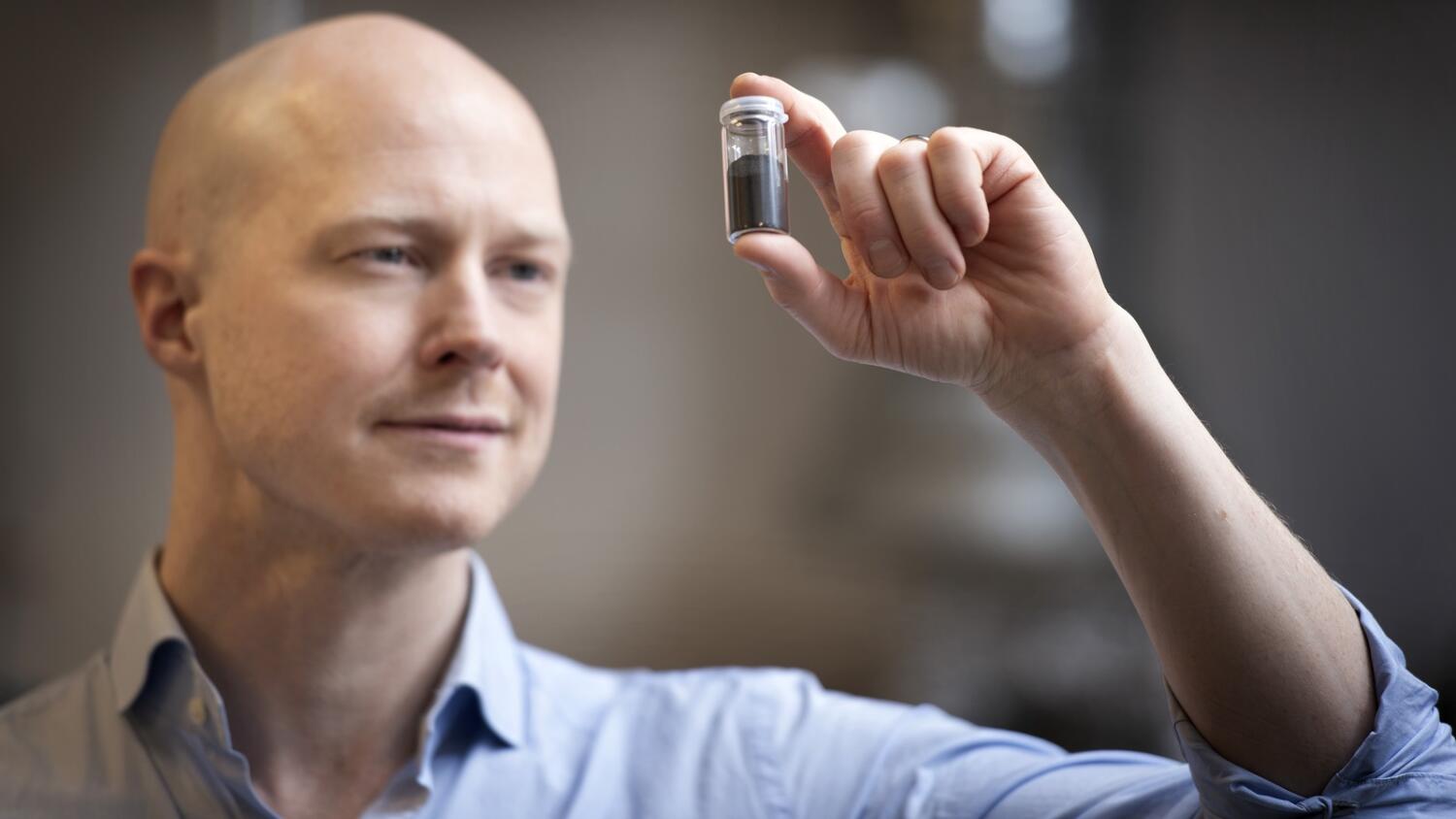
High purity is a critical requirement for many graphite applications. In lithium-ion batteries and steelmaking electrodes, even small amounts of impurities can affect performance, safety, and lifetime. Nordic Bio-Graphite produces ultra-high-purity synthetic graphite (>99.95%), enabling the company to meet the strict specifications of battery and steel manufacturers while offering a lower-carbon alternative to conventional synthetic graphite.
Addressing target audiences and expressing needs
- Other type of Investment
We are right now focused on moving from laboratory validation to pilot-scale production, a critical step toward full commercialisation. Our priority is to build and operate our first pilot plant, validate industrial performance with battery and steel partners, and demonstrate that fossil-free, ultra-high-purity graphite can be delivered at the quality, scale and cost required by European industry. At the same time, we are advancing strategic partnerships and offtake discussions to establish a secure, domestic alternative within Europe’s battery value chain.
- Public or private funding institutions
- Private Investors
R&D, Technology and Innovation aspects
Current stage
We have validated our fossil-free graphite at laboratory scale and are now moving into pilot-scale industrial demonstration.
Next steps
We will build and operate our first pilot plant, validate performance with battery and steel partners, and advance offtake agreements to prepare for commercial-scale production in Europe.
Scalability comes from using widely available forestry residues and a process that requires far less energy than conventional graphite production. The setup is modular, so production can grow step by step from pilot to full-scale without reinventing the system. That makes expansion more cost-efficient, easier to replicate across regions, and well suited to building a stable European supply.
The process is highly replicable because it relies on abundant forestry residues and a modular production design that can be implemented in different regions without major redesign. Once validated at pilot scale, the same technical setup can be transferred to other sites, enabling consistent quality and performance while building local, low-carbon graphite production across Europe.
The business model is built around long-term industrial supply of ultra-high-purity, fossil-free graphite to battery and steel manufacturers. By using locally sourced forestry residues and energy-efficient production, the company reduces exposure to volatile fossil inputs and import dependencies, creating cost stability and supply resilience. Long-term offtake agreements and regional production hubs support predictable revenue streams while aligning commercial growth with Europe’s climate and strategic raw materials objectives.
- Europe
- Global