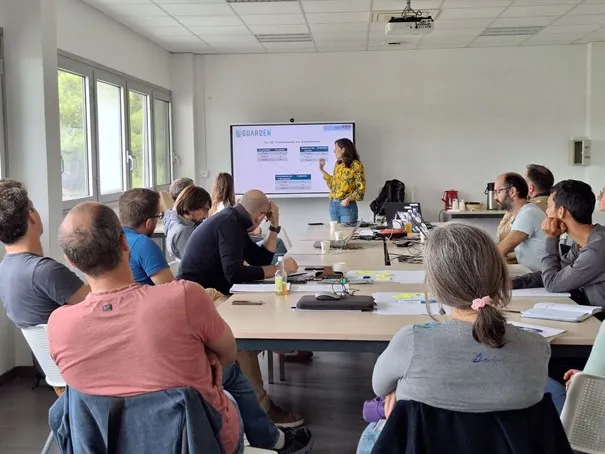
Main features: A structured methodology for establishing and managing Multi-Stakeholder Partnerships (MSPs). Includes stakeholder mapping and engagement tools, user needs elicitation through surveys and workshops, and co-design of biodiversity decision-support tools and KPIs aligned with local contexts.
Objectives: To ensure active, equitable stakeholder participation and define user-driven requirements for biodiversity monitoring tools, enabling more effective and inclusive biodiversity and ecosystem management decisions.
Advantages: Enhances tool relevance and usability, strengthens collaboration across diverse stakeholders, and reduces conflict in biodiversity-related decisions
What is new: Adaptive, stakeholder-centred approach tailored to each case study.
Why is it important: Ensures biodiversity is embedded in planning and infrastructure decisions, empowers stakeholders, and provides a replicable model for biodiversity governance projects
Addressing target audiences and expressing needs
- To raise awareness and possibly influence policy
We are looking for institutions interested in adopting or adapting the approach to their own contexts. In particular, regional and local authorities, environmental consultancies, and research or innovation projects working on nature-based solutions, spatial planning, and ecosystem management. We seek collaborators who can apply the methodology, share data or user feedback, and co-develop training or policy guidance.
- EU and Member State Policy-makers
- Research and Technology Organisations
- Academia/ Universities
R&D, Technology and Innovation aspects
Gathering feedback from case study participants can help for continuous improvement of the MSP framework, ensuring it meets the evolving needs of stakeholders.
It has been designed as a modular methodology that can be applied across different geographical, policy, and sectoral contexts. The framework can be replicated through tailored training, consultancy services, or digital toolkits, ensuring that diverse users (e.g., public authorities, consultancies, NGOs, or private developers) can apply it following the same quality standards.
The framework delivers enduring social and environmental value by enabling inclusive, evidence-based decision-making that integrates biodiversity into planning, infrastructure, and policy processes. Value is created through capacity building and participatory governance. Economic value can be captured through training programmes and consultancy packages.