
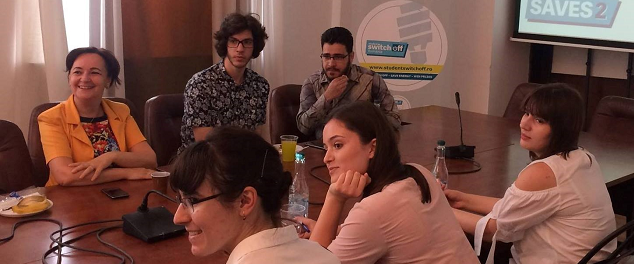
The study showed that a change from voluntary participation in a campaign to curricular integration through a marketing class, where motivation is related to passing the module, generated a higher level of participation. The students started to take action and their behavior changed from simple participation through a signing-up document to actions proving that the messages of the energy saving campaigns were integrated in their behaviors. This was the main purpose of the SAVES 2 project—installing good sustainability behaviors capable of being maintained beyond the time spent in education. The main findings show that students are more likely to change their energy saving behaviors when they actively participate in designated activities, especially when these are incorporated into teaching and learning. Conclusions indicate that formal rules well explained as part of the students’ requirements are the key to a change in energy saving behavior.
Addressing target audiences and expressing needs
- To raise awareness and possibly influence policy
We wanted to share the results of our analysis, in the hope that our approach will be replicated by other universities.
- EU and Member State Policy-makers
- Academia/ Universities
Result submitted to Horizon Results Platform by UNIVERSITATEA DIN BUCURESTI