
Result description
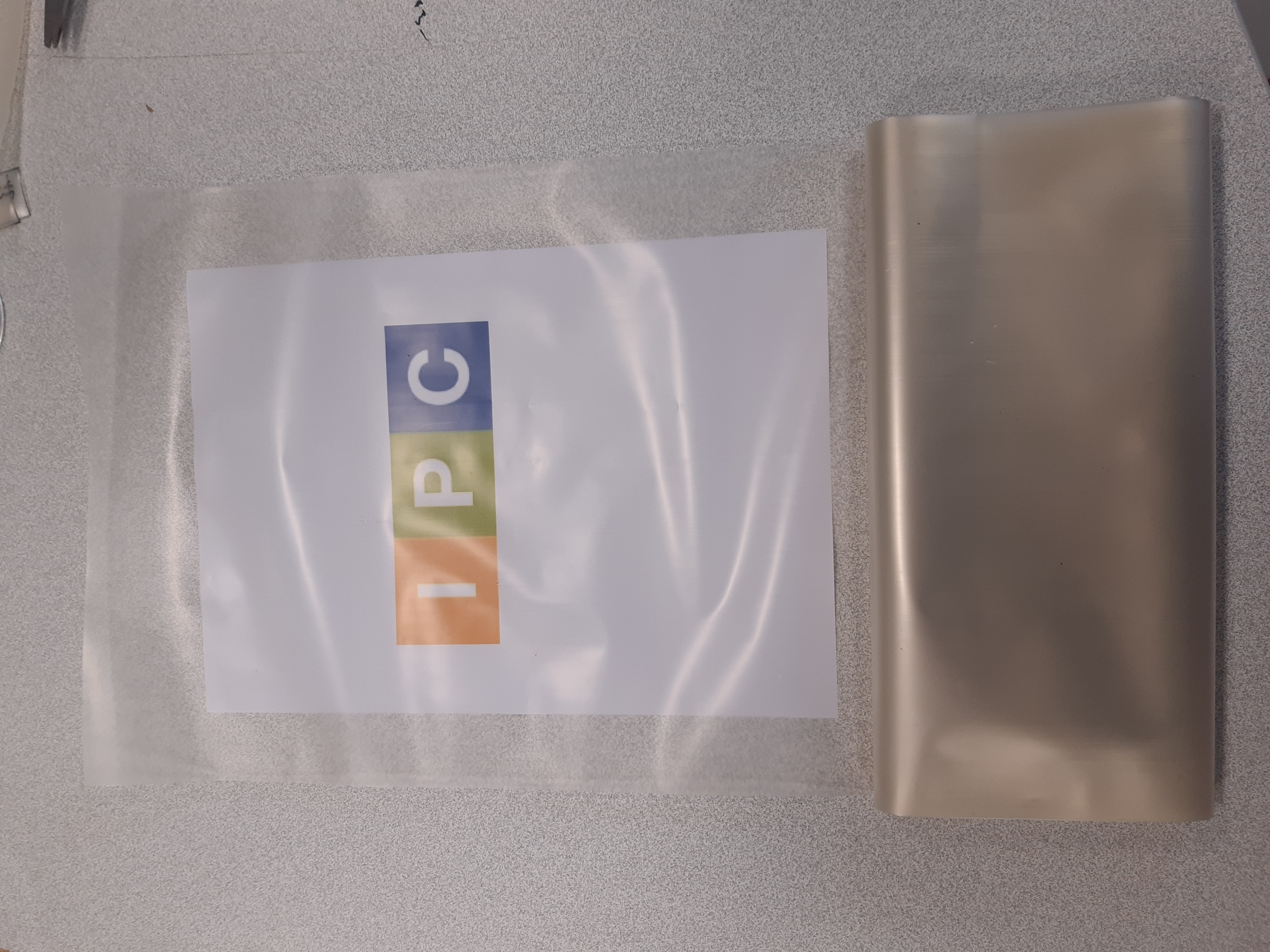
The low-cost barrier film developed in the project is based on the multinanolayer (MNL) film extrusion process. This process is a combination of two or more extruders through a multichannel-layered feedblock configuration. Polymers materials are separated by different streams and combined into parallel layers at molten state in the feedblock and then fed into a series of layer multipliers where the melt stream is alternatively divided and recombined. This doubles the number of layers and reduces the thickness of each layer after each multiplier. Therein, multilayer coextrusion is capable of fabricating films having thousands of layers with individual layer thickness down to the nanoscale at low environmental (solvent-free) and budgetary costs. The MNL architecture highly affects the properties of the polymer film compared to a standard monolayer structure. Thus, this process has been applied to the development of low cost barrier film using commodity polymers.
Addressing target audiences and expressing needs
- Grants and Subsidies
New collaborative projects opportunities to improve the MNL process for functional films development.
- Public or private funding institutions
R&D, Technology and Innovation aspects
The MNL film was successfully produced at pilot-scale during the project. However the achieved barrier performances were below the initially targeted value. Complementary development are required to increase the barrier performances of the encapsulation film. New collaborative projects could represent an appropriate opportunity for such complementary development.
The MNL process offers great flexibility, allowing the combination of various polymers and a customizable number of layers to produce films with enhanced properties.
The MNL process is base on polymer film extrusion technology, which is a reliable continuous polymer processing technology.
Result submitted to Horizon Results Platform by CENTRE TECHNIQUE INDUSTRIEL DE LA PLASTURGIE ET DES COMPOSITES