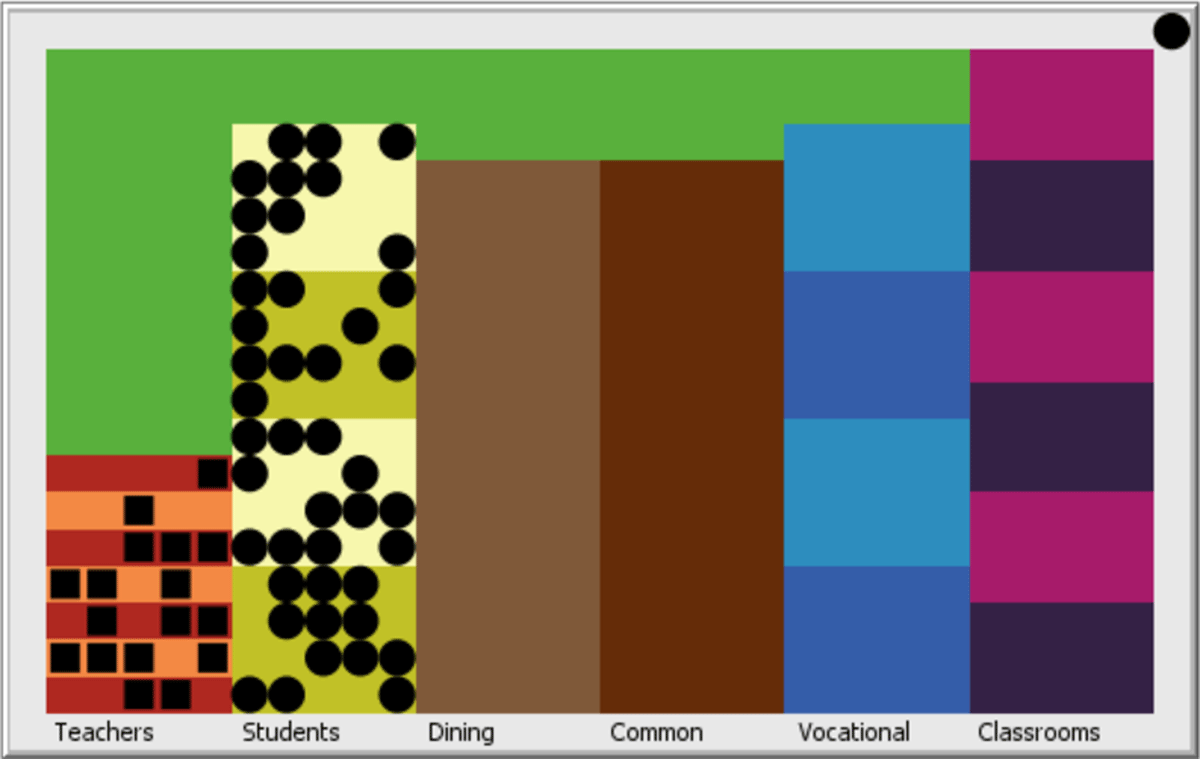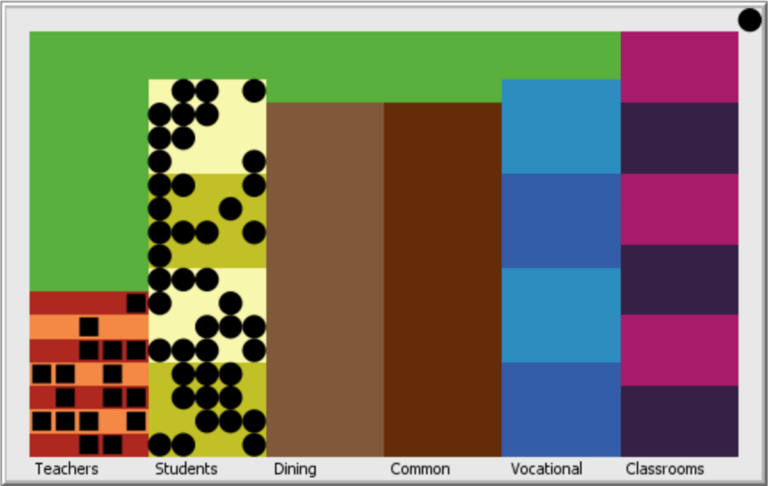
An agent-based model was developed to better understand epidemic spread within residential schools in the absence of effective treatment or vaccines. Simulation results suggest that differences in epidemic outcomes between disabled students and presumed non-disabled staff could be explained by social factors alone, but further tests considering variation in susceptibility are necessary. Additionally, there are differences in the timing and pattern of spread based on whether the first case is a student or staff member, while epidemics are smaller with more student bedrooms (i.e., fewer students sharing) or the presence of a hospital/isolation ward.
Addressing target audiences and expressing needs
- To raise awareness and possibly influence policy
- Collaboration
- Fellowship to advance my/our research
Academic and non-academic collaboration to improve public health and pandemic preparedness
- EU and Member State Policy-makers
- Academia/ Universities
Result submitted to Horizon Results Platform by OSLOMET – STORBYUNIVERSITETET